
 See Our Latest Article on HelloNation
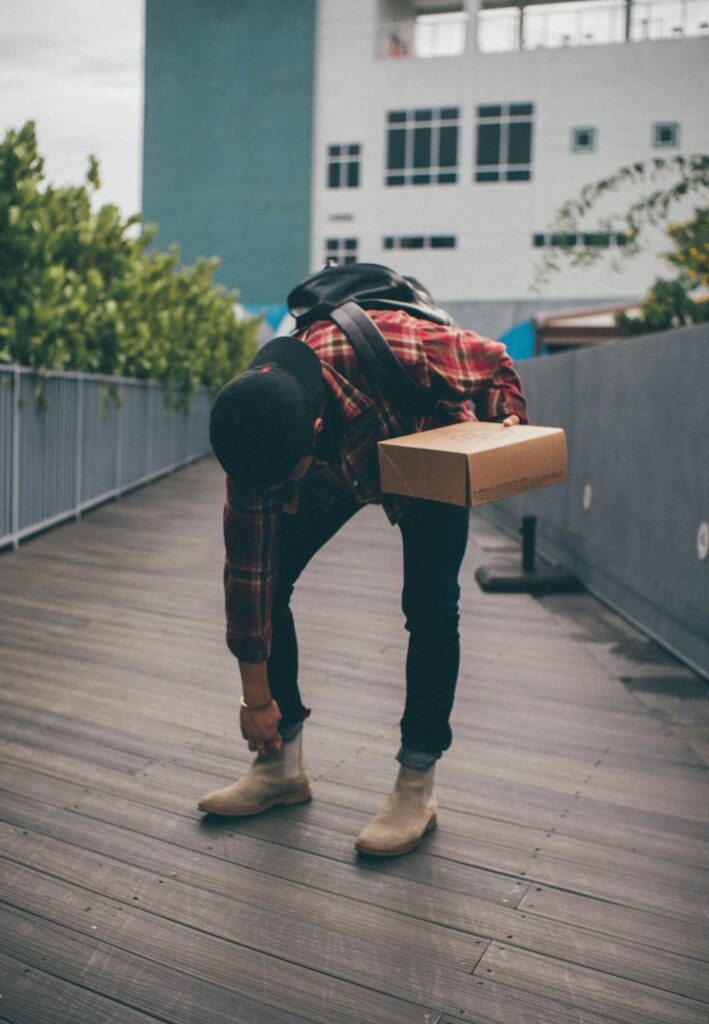
Lifting is part of everyday life in Grand Island, NY. Residents may move grocery bags, laundry baskets, storage bins, patio furniture, bags of salt, snow equipment, or boxes during home projects. The way an object is lifted often matters as much as its weight.
Good lifting technique reduces unnecessary strain on the muscles, joints, and discs of the lower back. It cannot make every heavy or awkward load safe, but it can help prevent avoidable injuries.
What is the safest way to lift something?
The safest approach is to plan the movement, keep the object close, bend at the hips and knees, and avoid twisting. Lift smoothly with the legs while keeping the spine in a comfortable, neutral position.
Before picking anything up:
- Look at the object and estimate its weight.
- Check whether the contents may shift.
- Clear the path to where the object will go.
- Decide whether the load can be divided into smaller portions.
- Position the destination before beginning the lift.
- Ask for assistance or use a cart for a bulky, heavy, or unstable item.
A load that feels manageable for one short lift may become risky if it must be carried a long distance, lifted repeatedly, held away from the body, or moved across an uneven surface.
How should the body be positioned?
Start with the feet about shoulder-width apart, with one foot slightly ahead of the other if that feels stable. A wider base improves balance and gives the legs room to work.
Move close to the object before lifting. Avoid reaching across a counter, over a railing, or into the back of a vehicle. The farther the load is from the body, the more leverage it places on the lower back.
To begin the lift:
1. Face the object directly.
2. Bend at the hips and knees rather than folding forward at the waist.
3. Keep the chest lifted without forcing the back into an exaggerated arch.
4. Grip the object securely with both hands.
5. Tighten the abdominal muscles gently.
6. Rise steadily through the legs.
The goal is not to keep the back perfectly straight or rigid. A neutral spine means maintaining a comfortable, controlled alignment instead of rounding sharply or overextending.
Why is twisting while lifting a problem?
Twisting combines rotation with load-bearing, which makes the back less stable. This is especially risky when a person is tired, moving quickly, or handling an object that blocks the view of the feet.
Instead of turning the shoulders while the feet stay planted, pivot with the feet. Take small steps so the hips, shoulders, and feet turn together. This applies when placing a box on a shelf, moving a laundry basket, unloading a vehicle, or carrying a child.
A common mistake is lifting an item from the floor and then turning toward a nearby surface. It is safer to stand first, reposition the feet, and then lower the object.
How close should the load be?
Keep the load near the midsection, ideally between the knees and chest. Holding an object close reduces the force placed on the lower back and makes the load easier to control.
Avoid carrying items with straight arms or holding them against only one side of the body. If the object is wide, slippery, or difficult to see around, it may be too awkward for one person even if it is not especially heavy.
For long objects, such as boards, tools, or outdoor equipment, watch both ends while moving. A clear path is essential, particularly in garages, basements, sheds, and narrow hallways.
Is “lift with your legs, not your back” enough?
That phrase is useful but incomplete. Leg strength alone does not make a lift safe. The entire movement also depends on the object’s distance from the body, the position of the hands, the amount of twisting, the height of the lift, and the number of repetitions.
A person can strain the back while using the legs if the load is held far away or lifted with a sudden jerk. A better reminder is:
- Get close.
- Bend at the hips and knees.
- Keep the load centered.
- Lift smoothly.
- Turn with the feet.
- Stop if control is lost.

Lowering an object deserves the same care as raising it. Keep it close, bend the hips and knees, and avoid dropping it from the waist or twisting at the bottom of the movement.
How much weight is safe to lift?
There is no single weight limit that applies to everyone or every situation. Physical condition, age, previous injuries, lifting frequency, posture, distance, hand position, and the shape of the object all affect risk.
A light object can cause pain if it is lifted repeatedly from the floor or reached for at arm’s length. A heavier object may be manageable with help and proper equipment but unsafe for one person.
Be especially cautious with:
- Water-soaked items
- Boxes with shifting contents
- Long or unusually shaped objects
- Loads without secure handholds
- Objects lifted above shoulder height
- Items moved on icy, wet, or uneven ground
- Repeated lifting during a long task
During winter, snow, slush, and ice can make even a moderate load hazardous. Stable footwear, cleared walking paths, and smaller loads are safer than trying to carry too much across a slippery surface.
What should be done when moving household items?
For home projects, divide the task into stages. Move items from the floor to a waist-height surface before carrying them when possible. Store frequently used objects between knee and shoulder height to reduce repeated deep bending and overhead reaching.
Use a push cart for multiple boxes, but do not overload it or pull it across an obstructed path. Pushing is often easier to control than carrying, although a cart still requires stable footing and a clear route.
When moving furniture, empty drawers and shelves first. Do not lift and rotate a large piece in one motion. Slide, pivot, or reposition it in smaller steps, and use assistance for objects that block the view or cannot be gripped securely.
When does back pain after lifting require medical attention?
Mild soreness can occur after unfamiliar activity, but severe, worsening, or persistent pain deserves medical evaluation. Prompt attention is particularly important when pain follows a fall or direct impact, or when it is accompanied by leg weakness, numbness, difficulty walking, loss of bladder or bowel control, fever, or pain traveling below the knee.
Stop lifting if sharp pain, sudden weakness, or unusual symptoms begin. Continuing to “push through” can make it harder to judge whether the problem is simple muscle fatigue or something requiring further assessment.
Safe lifting is not about using a perfect posture every second. It is about reducing unnecessary leverage, controlling the movement, respecting fatigue, and recognizing when a load or task exceeds what one person can safely manage.
